Cholla Bay Rocky Point: How to Time Your Visit with the Tide
Cholla Bay sits in one of the most extreme tidal zones on the planet. This guide explains how the tides work, what you will find in the tidepools, and exactly how to plan your visit so the Sea of Cortez cooperates.
Why Cholla Bay Is Different from Every Other Rocky Point Beach
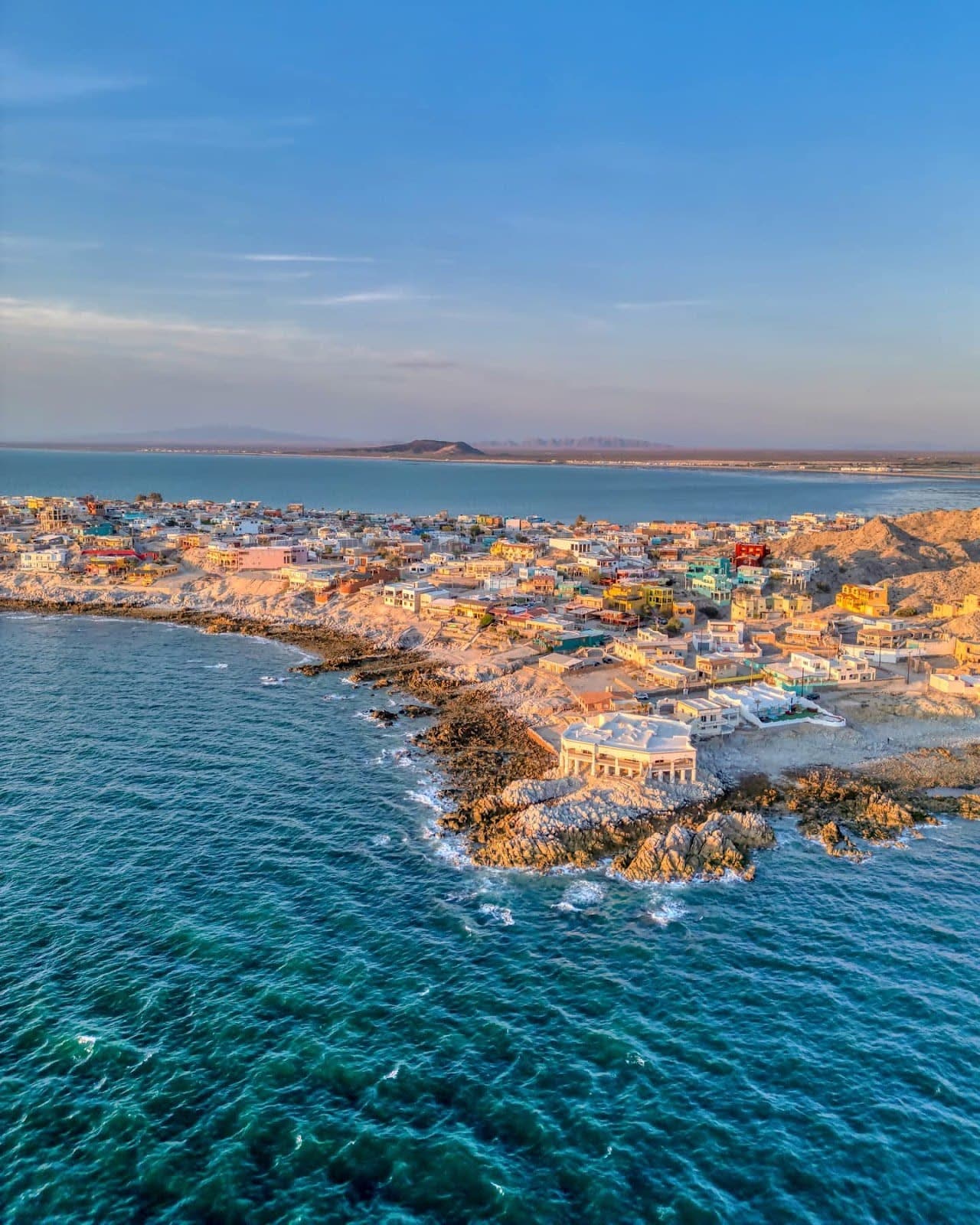
Most visitors to Puerto Peñasco spend their first morning at the water's edge wondering where the ocean went. That confusion is especially acute at Cholla Bay. Unlike Sandy Beach on the south side of town, Cholla Bay sits on the north side of Black Mountain and faces the upper reaches of the Sea of Cortez, where the tidal range is among the most dramatic anywhere on Earth. The water does not just pull back a few feet. On a big tidal swing it can retreat so far that broad flats of sand, rock, and reef are exposed, turning the bay floor into a tidepool landscape you can walk across.
Understanding why that happens, and knowing when it will happen during your stay, is the single most useful piece of knowledge you can carry to Cholla Bay Rocky Point.
How the Tides Work Here
The Sea of Cortez is a long, narrow body of water. Its shape amplifies the gravitational tug of the moon, producing tidal ranges at the northern end that dwarf those at the southern mouth near Cabo San Lucas. Puerto Peñasco sits near the very top of that funnel.
Tides at Rocky Point follow a semi-diurnal pattern, meaning the water rises and falls twice within each lunar day of roughly 24 hours and 50 minutes. Because each cycle takes slightly longer than a solar day, the times of high and low tide shift forward by about 50 minutes each day. A low tide that falls at noon today will arrive closer to 12:50 tomorrow, and it will keep marching around the clock throughout your trip.
The difference between a high and a low tide here can span many feet of vertical water movement. On a moderate day the swing is noticeable. On the biggest tidal events of the month, the swing is extraordinary, leaving acres of seafloor exposed that are submerged the rest of the time.
Spring Tides: When the Action Peaks
The biggest tidal swings arrive within a few days of a new moon or a full moon. At those moments the Earth, moon, and sun line up, and their combined gravitational pull produces what scientists call spring tides. The high tides go higher and the low tides go lower. At Cholla Bay during a spring tide, the water floods the bay so fully that it laps right up to the shoreline structures at the water's edge, then drops away hours later to reveal a vast, almost otherworldly flat.
The calmer middle of the cycle, when the moon is at a right angle to the sun during the first and last quarter phases, produces neap tides. The difference between high and low is smaller, and the tidepool exposure is less dramatic, though still worth exploring.
Reading the Tide Chart Before You Go
Because the schedule shifts daily and the range varies across the lunar cycle, a tide chart is not optional at Cholla Bay. It is your planning tool. Free tide charts for Puerto Peñasco are available at several websites, including tide-forecast.com and tideschart.com, and CEDO, the intercultural center in town, sells a printed annual calendar that covers all twelve months with moon phase data included. The Rocky Point Times newspaper also publishes a monthly tide chart.
When you read the chart, look for two things: the time of the low tide and its height reading. A low tide measured at or below zero feet is a genuinely exceptional event that exposes reef and rocky shelves that are normally submerged. Those are the sessions tidepool visitors remember for years. A low tide that only drops to four or five feet will still uncover some interesting pools, but the exposed area and the creature diversity will be more modest.
Always be on shore before the tide turns. The water can move faster than you expect, and the channels that fill back in are not always visible from the low point of your walk.
What Lives in the Tidepools
Cholla Bay's tidepools hold a cross-section of Sea of Cortez intertidal life. Visitors commonly spot sea urchins, starfish, and the large pen shells known locally as penshells. Octopuses appear in the deeper pools and under rocky overhangs, often well camouflaged against the substrate. Sand dollars, when found already empty and bleached, are legal to collect and make a popular souvenir. The rule that matters most: never remove a living animal or shell from the tidepools. The ecosystem is fragile, and what looks like an empty shell often houses a living creature.
If you walk the bay flats during a low tide, stay on sand or bare rock when possible and watch your footing. Urchin spines are sharp and the algae-covered rocks are slick.
Safety Around Cholla Bay Tides
The same forces that create a spectacular tidepool experience create real hazards for visitors who ignore the charts.
Vehicles have been swallowed by incoming tides when owners parked too close to the waterline, particularly during full and new moon events when the high tide surges further than usual. Never park at the water's edge without checking the chart to confirm the maximum height of the next high tide.
If you drive or walk the bay flats during a low tide to reach the outer reef, watch the time. The flood tide can cut off your return path faster than you expect. Leave yourself a generous buffer, plan to be back on high ground well before the tide is scheduled to turn, and keep an eye on the water rather than relying entirely on the clock.
Children exploring the pools should always be supervised. Channels that appear shallow can deepen quickly as the tide rises.
Planning Your Tidepool Day
The ideal Cholla Bay tidepool session begins roughly an hour before low tide and ends about an hour after. That two-hour window gives you the maximum exposure of the seafloor while still keeping a comfortable margin before the flood starts in earnest.
Morning low tides have an added advantage: the light is gentler, temperatures are cooler, and the angle of the sun makes it easier to spot creatures in the pools without the midday glare washing out the water surface. Evening low tides bring their own drama, with the sunset painting the exposed flats in orange and copper, though you will want a reliable light source if you plan to stay until after dark.
The biggest tidal windows of the month cluster in the days just after a new or full moon. If you have flexibility in your travel dates and tidepool exploration is a priority, checking the moon calendar before you book is a worthwhile step.
Beyond the Tidepools
Cholla Bay is also a productive fishing destination, and many anglers time their outings to coincide with the moving tide. Fish feed actively as water moves across the flats, and the incoming tide in particular pushes bait and forage species onto the shallows. Clamming is another traditional low-tide activity in the area's estuaries, though the channels there fill with particular speed, so reading the chart carefully before heading in is essential.
For families, the tidepool walk at low tide is one of the most accessible and memorable activities Rocky Point offers. No gear is required beyond closed-toe shoes with good grip, sunscreen, and water. The reef does the rest.
If you are planning a stay in the area and want to be close enough to catch both the morning low tides and the dramatic high-tide floods, beachfront accommodations on the Puerto Peñasco coastline put you exactly where you need to be. Mountain and Beach Retreats offers direct-booking beachfront condos, including Sonoran Sky 808 and Sonoran Star 705, that let you step outside and check the waterline any time of day or night.
A Few Practical Notes
Tide times at Cholla Bay are posted in Mountain Standard Time. Puerto Peñasco does not observe daylight saving time, so during the months when Arizona and other states spring forward, clocks in Rocky Point stay fixed. Double-check whether your tide chart is displaying MST or local time, especially if you are reading it on a device that adjusts automatically.
The lunar cycle runs approximately 29.5 days, so the rhythm of spring and neap tides repeats predictably. Once you understand it, you can plan any future trip around the tidal window you want, whether that is the most dramatic extreme exposure of the spring tide or the gentler, more accessible pools of a neap tide that are better suited for young children.
The Sea of Cortez does not hold back at Cholla Bay. It makes its presence known twice a day, every day. Learn to read that rhythm, and the bay will reward you with experiences that are impossible to find anywhere else within a few hours of the Arizona border.
More in this section
Rocky Point Weekend Itinerary: Your First 48 Hours in Puerto Peñasco
A practical, hour-by-hour guide to your first weekend in Rocky Point, Mexico, covering the drive down, the best beaches, water activities, the Malecon boardwalk, local food, and everything in between.
Rocky Point Beachfront Condo Rental: What Is Actually Included
Before you book a beachfront condo in Rocky Point, know what comes standard, what varies by property, and what questions to ask so your stay on the Sea of Cortez goes exactly as planned.
The Cheapest Time to Visit Rocky Point: What You Give Up Going in the Off-Season
Rocky Point has genuine low seasons where rental rates drop and beaches empty out. Here is what those cheaper windows actually look like on the ground, and what trade-offs come with each one.