Rocky Point Fishing Charters: What to Expect and How to Book
A practical guide to booking a fishing charter in Puerto Peñasco, from choosing the right trip length and season to what questions to ask before you pay a deposit.
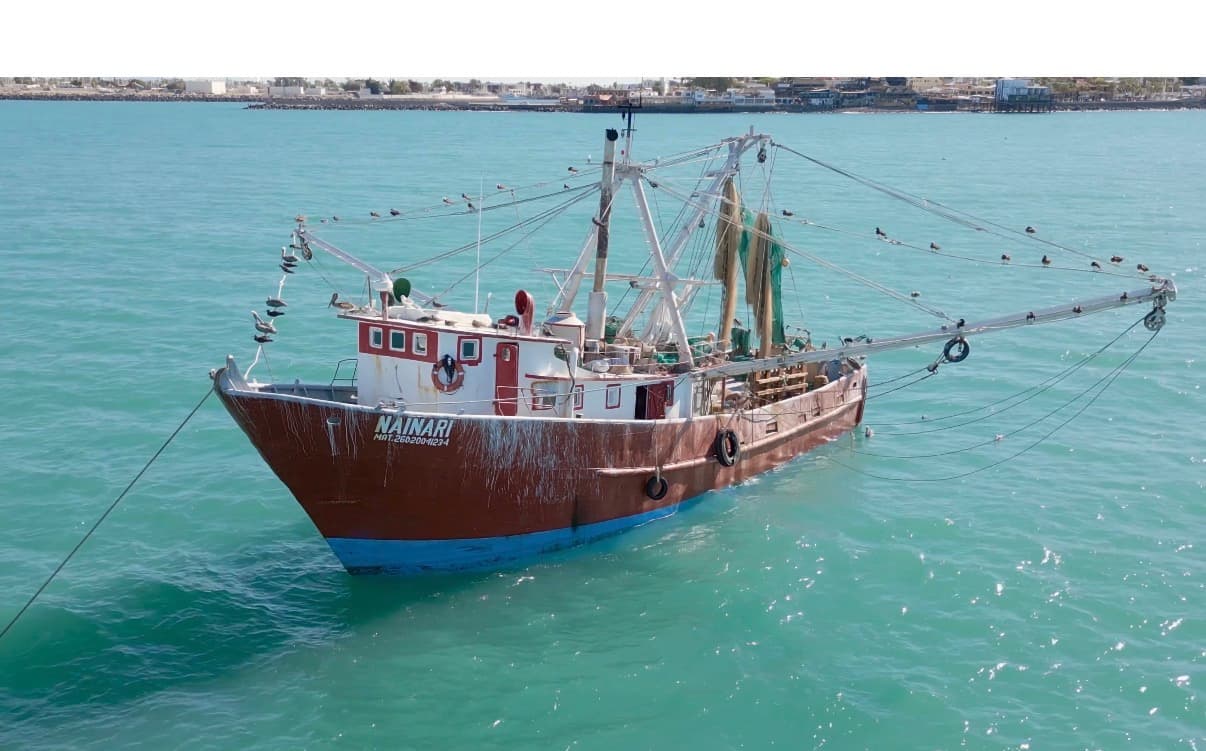
Why the Sea of Cortez Makes Rocky Point Worth the Trip
Puerto Peñasco sits at the northern tip of the Sea of Cortez, a body of water famous among anglers for the variety and size of its fish. The upper Cortez holds productive nearshore reef structure within a short run of the marina, and deeper offshore grounds are reachable on longer trips. That combination means a half-day charter can still put you on real fish without burning most of your morning getting there.
For anyone driving down from Arizona, the math works out well. You cross at Lukeville, reach town in under four hours from Phoenix if you leave early, and can be on the water by sunrise. A four-hour trip is back at the dock by midmorning, leaving the rest of the day for the beach, lunch on the Malecon, or an afternoon at the pool.
Half-Day vs. Longer Trips: What the Difference Actually Means
Charters in Puerto Peñasco typically run four, six, or eight hours. The length of the trip changes more than just the clock time.
Four-Hour Trips
A four-hour charter focuses on nearshore grounds, usually within roughly five to eight miles of the marina. The species most likely to show up at that range include rock bass, triggerfish, corvina, and cabrilla. The shorter run also means less time in open water, which matters for families with young kids or anyone prone to seasickness. Because the boat stays closer to shore, conditions are generally calmer and the whole outing feels more manageable for beginners.
Six-Hour Trips
An extra two hours buys the captain room to run farther and spend more time on productive structure. Grouper and yellowtail become more realistic targets at this range, and the crew has time to try a second spot if the first one is slow.
Eight-Hour Trips
A full day pushes 15 to 25 miles offshore, where the big reef grouper live and where seasonal species like dorado and Spanish mackerel are more accessible. This is the trip for experienced anglers who want the best shot at a trophy fish. It is not the right choice for young children or anyone who has never been on open water.
What Species Are Biting and When
The Sea of Cortez fishes year-round, but the calendar matters. Wind in the winter months can make conditions rough and limit what a captain can do safely. Spring and summer open up the widest range of targets.
- Triggerfish: active nearly all year, with peak action from late spring through fall
- Grouper: good from spring onward, with the best conditions running through summer into early fall
- White seabass: strongest in the cooler months, winter through early spring
- Yellowtail amberjack: a winter and early spring fish that tapers off as water temperatures rise
- Corvina: a nearshore staple that shows up through spring and summer
- Spanish mackerel and Cubera snapper: peak in summer
- Mahi mahi and skipjack tuna: late summer, when the water is at its warmest
Every captain will tell you the same thing: the calendar is a guide, not a guarantee. Water temperature, bait movement, tides, and current conditions all shift what is actually biting on a given day. Ask about recent reports before you lock in a date.
On the subject of tides: they matter more in the Sea of Cortez than in most places along the Pacific coast of Mexico. The tidal range in Puerto Peñasco can swing dramatically, and the best fishing from shore or close to it tends to happen when the tide is actively moving in or out. The biggest swings come within a few days of a new or full moon. For a boat charter, the captain accounts for this when choosing locations, but it is worth knowing if you plan any shore fishing on the same trip.
Wind and Weather
Wind can cancel a charter entirely. The Port Captain in Puerto Peñasco has authority over whether boats depart, and if conditions are unsafe, no reputable operator will leave the marina regardless of what a guest has already paid. Build flexibility into your schedule, especially if you visit in winter or during storm season, which generally runs September through November. A cancellation due to weather or a port closure is a reason to reschedule, not a reason to be frustrated with the charter company.
What Is Typically Included
Most charters in Puerto Peñasco include rods, reels, tackle, bait, a licensed captain and crew, and fish cleaning and filleting at the end of the trip. Cooler space is usually available on board so your catch stays cold until you get back to your rental.
What is generally not included: your fishing license, food, and drinks. A Mexican fishing license is required for everyone on a fishing vessel, even passengers who are not fishing. Some operators sell licenses at the dock before departure. Confirm this when you book so you are not surprised at check-in.
Bring your own water, snacks, sunscreen, and a hat. If you are prone to motion sickness, take medication before you board, not after you start feeling rough. A light layer is smart on early morning departures even in summer, because the wind on the water can feel cool at speed.
A tip for the captain and crew is customary and appreciated. It is not included in the trip price.
How to Book: The Right Questions to Ask First
Our local recommendation is YiYi Charters. Beyond that, a number of operators run out of the marina at Puerto Peñasco, and the booking process is similar across most of them.
Before you pay any deposit, get clear answers to these questions:
- What is the per-person price and the group minimum? Many charters require a minimum number of paying guests for the boat to depart. If your group is smaller than the minimum, you may need to pay for the full minimum regardless.
- Is the fishing license included or purchased separately? Ask the exact amount and whether it is paid at the dock or in advance.
- What is the deposit structure? Some operators take a percentage at booking and collect the balance at the dock. Confirm what payment methods are accepted at check-in, because many dock transactions are cash only.
- What is the cancellation policy if you need to cancel? And separately: what happens if the operator cancels because of weather or a port closure? A weather cancellation should result in a reschedule or a deposit return. A guest cancellation is typically a credit toward a future trip.
- What is the exact meeting location and what time should you arrive? Charters do not wait for late guests. Most ask you to be at the dock 30 minutes before departure. Your confirmation document is the authoritative source for the address and time.
- What should you bring and what is not allowed on board? Alcohol policies, food rules, and accessibility needs should all be confirmed before the day of the trip.
For guests staying at one of our beachfront properties, planning a charter is easy to work into a longer stay. If you are looking for a place to base the trip from, Mountain and Beach Retreats has direct-booking beachfront condos in Puerto Peñasco with the kind of kitchen and cooler space you will want after a morning on the water.
Choosing October for Your Fishing Trip
If you have flexibility on timing, October is hard to beat. The water stays warm through the month, the summer crowds have thinned out, the air temperature drops to something comfortable, and the fish calendar is still strong for grouper, triggerfish, and corvina. Día de los Muertos brings a festival atmosphere to town at the end of the month. It is the month our local expert David chooses for his own trips when he has the option.
March is another strong fishing month, especially for anglers targeting grouper, and the spring window before college spring break can be calm and productive. Just be aware that March is one of the busiest booking months for rentals and charters, so plan well ahead.
A Few Practical Notes Before You Go
Driving down: Cross at Lukeville. Leave Phoenix by 6:00 a.m. on a regular Friday, or earlier on holiday weekends. Sunday northbound traffic backs up between roughly 11:00 a.m. and 2:00 p.m. because most rentals check out around 10:00 or 11:00 a.m. If you want to avoid the wait, leave before 8:00 a.m. or after 5:00 p.m.
Documents: Bring a valid passport. Mexican auto insurance is required; buy it online before you leave to save time and usually money.
After the charter: Most charters include fish cleaning and filleting. Bring a cooler with ice and a bag so the fillets travel back to the condo cleanly. Several restaurants in town will cook your catch for you, which is a great way to end a fishing day.
The fish are there. The boats run year-round. The only thing left is to ask the right questions before you book.
More in this section
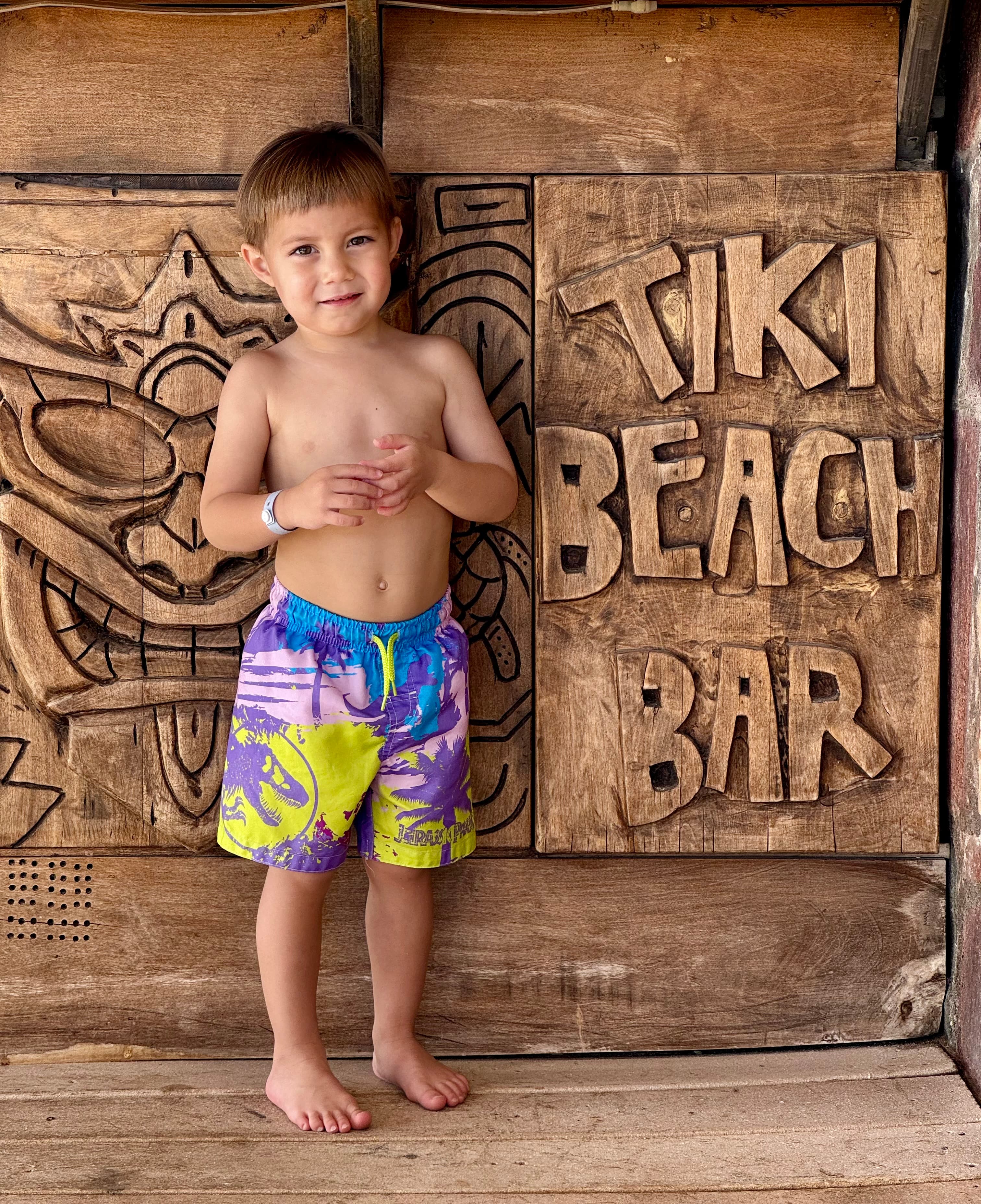
Rocky Point Mexico with Kids: The Complete Family Travel Guide
Everything Arizona families need to plan a stress-free trip to Puerto Peñasco, from the border crossing and beach safety to the best kid-friendly activities and restaurants.
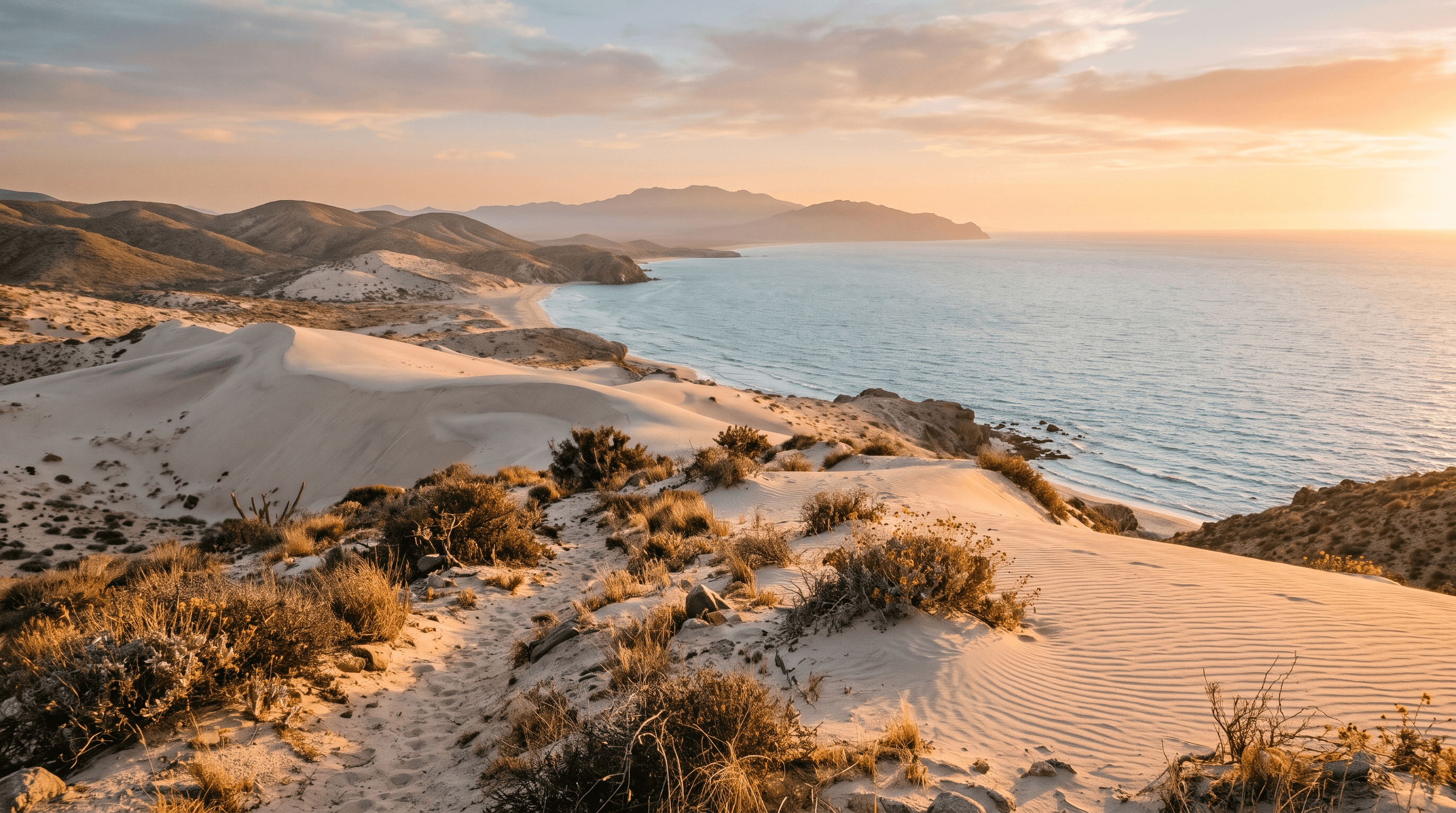
Rocky Point Dune Buggy Rental: Why We Tell Guests to Skip It
We send guests to Rocky Point every season, and one question comes up constantly: should we rent a dune buggy or ATV? Here is our honest answer, along with the activities we actually recommend instead.
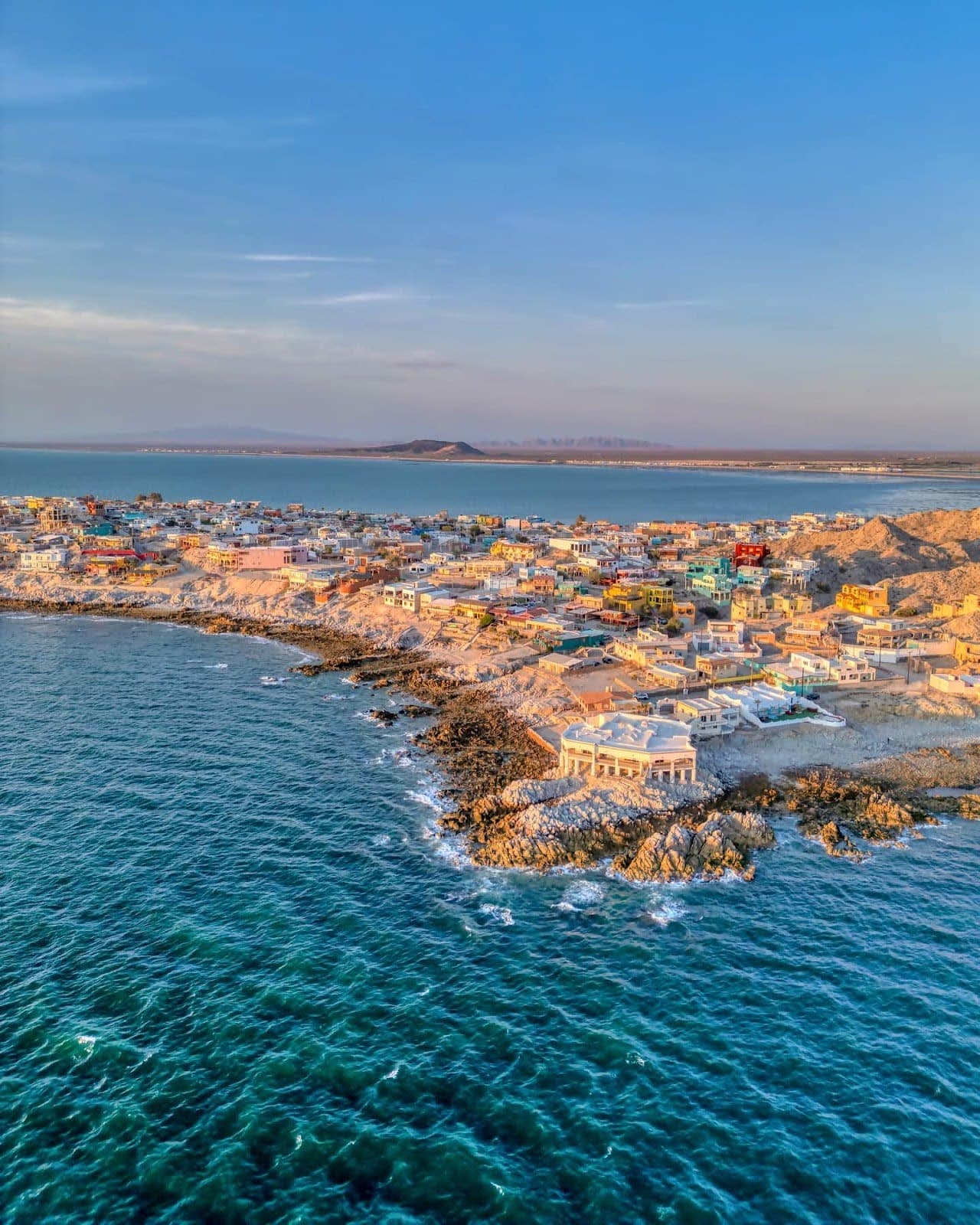
Cholla Bay Rocky Point: How to Time Your Visit with the Tide
Cholla Bay sits in one of the most extreme tidal zones on the planet. This guide explains how the tides work, what you will find in the tidepools, and exactly how to plan your visit so the Sea of Cortez cooperates.